What Is the Biblical Rapture? A Comprehensive Guide
What Is the Biblical Rapture truly means. This in-depth guide explores its origins, key verses, timing debates, and impact on Christian belief. Uncover the facts now.
What Is the Biblical Rapture truly means. This in-depth guide explores its origins, key verses, timing debates, and impact on Christian belief. Uncover the facts now.
Introduction about What Is the Biblical Rapture
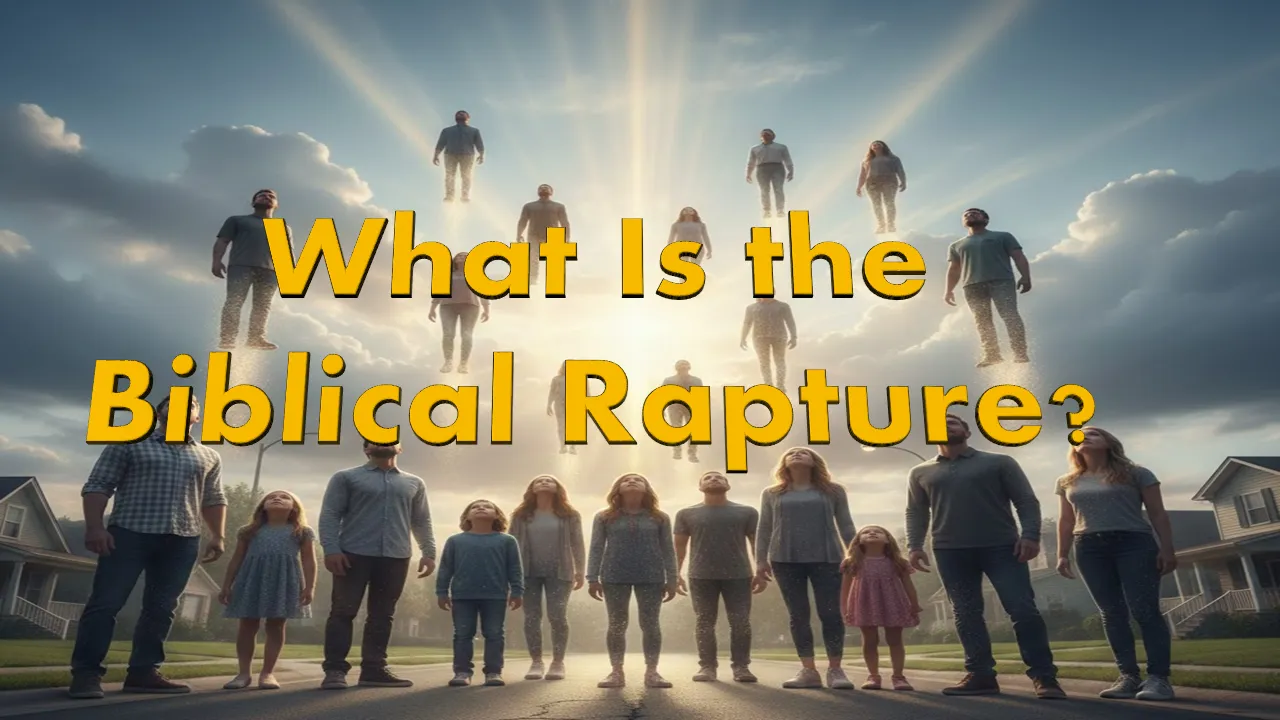
The term “rapture” evokes powerful imagery and sparks intense debate among Christians and scholars alike. At its core, what is the biblical rapture? It refers to the future event when believers in Jesus Christ are said to be suddenly “caught up” from Earth to meet the Lord in the air. This concept, while not explicitly named “the Rapture” in Scripture, is derived from specific biblical passages that describe a miraculous, instantaneous gathering of the faithful. Understanding this doctrine requires navigating prophecy, theology, and centuries of interpretation. This article will provide a comprehensive, scripture-based exploration to separate fact from fiction and clarify one of Christianity’s most discussed yet often misunderstood teachings.
What is the Biblical Rapture ? Defining the Term
The word “rapture” itself comes from the Latin raptura, meaning “a carrying off” or “a snatching away.” It is a direct translation of the Greek word harpazō found in the key New Testament passage, 1 Thessalonians 4:17, which means “to seize, to carry off by force, or to snatch away.”
In Christian eschatology (the study of end times), the rapture describes the moment when Jesus Christ returns in the clouds to resurrect deceased believers and transform living believers, granting them immortal, glorified bodies. They are then taken to heaven, escaping the coming period of divine judgment on Earth known as the Tribulation.
This belief is premised on God’s promise of deliverance for His people and the imminent, any-moment return of Christ for His church. It is fundamentally a message of hope and rescue, not of fear.
The Foundation: Key Biblical Verses on the Rapture
While the word “rapture” isn’t used, several passages form the backbone of this beliefThessalonians 4:13-18 – The Classic “Rapture Verse”
This is the most direct description. The apostle Paul writes to comfort believers grieving over those who have died:
“For the Lord himself will come down from heaven, with a loud command, with the voice of the archangel and with the trumpet call of God. And the dead in Christ will rise first. After that, we who are still alive and are left will be caught up (harpazō) together with them in the clouds to meet the Lord in the air. And so we will be with the Lord forever.” (1 Thessalonians 4:16-17, NIV)
Key Elements about What Is the Biblical Rapture
The Lord’s personal descent.
A resurrection of the “dead in Christ.”
Living believers being “caught up.”
A reunion “in the clouds” and “in the air.”
The eternal result: “with the Lord forever.”
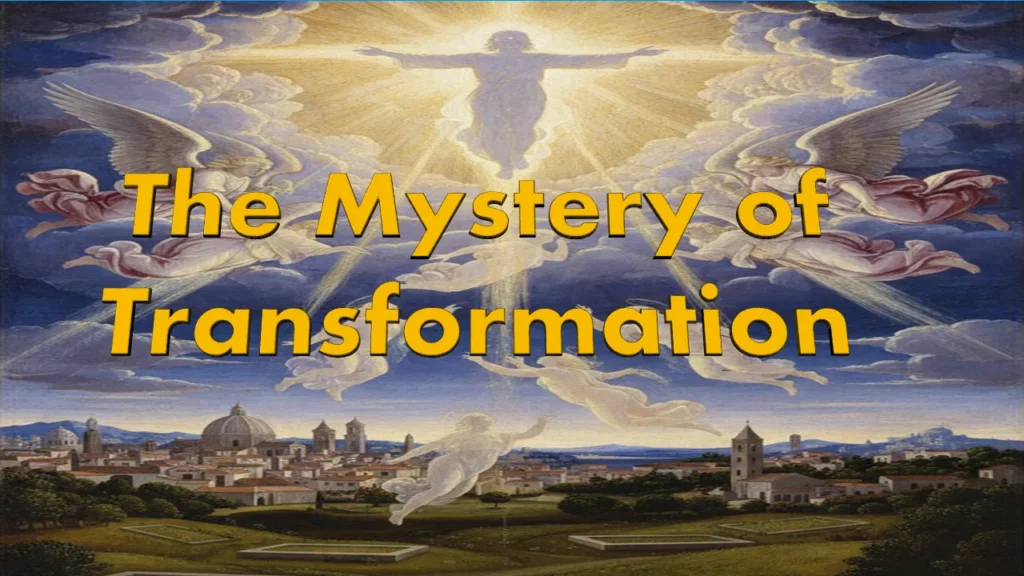
Corinthians 15:51-52 – The Mystery of Transformation
Paul reveals a “mystery”:
“Listen, I tell you a mystery: We will not all sleep [die], but we will all be changed— in a flash, in the twinkling of an eye, at the last trumpet. For the trumpet will sound, the dead will be raised imperishable, and we will be changed.” (NIV)
This emphasizes the instantaneous nature and the transformation of all believers—both dead and alive—into immortal beings.
John 14:1-3 – Jesus’ Promise
Jesus Himself provided the precursor to this idea:
“My Father’s house has many rooms… I am going there to prepare a place for you. And if I go and prepare a place for you, I will come back and take you to be with me that you also may be where I am.” (John 14:2-3, NIV, emphasis added).
This promise of a personal return to gather His followers is seen as the foundational pledge fulfilled in the rapture event.
Major Views on the Timing of the Rapture
The timing of the rapture in relation to the Tribulation (a seven-year period of intense suffering described in Revelation 6-19) is the central point of theological debate. There are three primary views.
The Pretribulation Rapture View
This is the most popular view in modern evangelicalism. It holds that the rapture will occur before the seven-year Tribulation begins.
- Believers are spared from God’s wrath: Proponents cite 1 Thessalonians 5:9, “For God did not appoint us to suffer wrath but to receive salvation through our Lord Jesus Christ.”
- An imminent event: Because no prophesied events must precede it, Christ could return to rapture the Church at any moment.
- The Church vs. Israel: This view often sees the Tribulation as a period focusing on God’s judgment and restoration of Israel, while the Church, a distinct entity, is removed.
What Is the Biblical Rapture The Midtribulation Rapture View
This perspective places the rapture at the midpoint of the Tribulation (after 3.5 years). It aligns the rapture with the sounding of the “last trumpet” in 1 Corinthians 15:52 and the seventh trumpet of Revelation 11:15-19. Believers are spared from the final, most severe judgments (the “Great Tribulation” and God’s wrath) but endure the first half.
What Is the Biblical Rapture The Posttribulation Rapture View
This view teaches that the Church will remain through the entire Tribulation. The rapture and the Second Coming of Christ (to establish His kingdom on Earth) are seen as a single event at the end of the Tribulation.
Believers are preserved through wrath: Supporters point to Jesus’ prayer in John 17:15, where He asks not that the Father take believers “out of the world” but that He protect them “from the evil one.”
Historical prevalence: Many scholars argue this was the predominant view throughout church history until the 1800s.
Signs of the Rapture? Understanding Imminence
A core tenet of the pretribulation view is imminence—the idea that no specific signs must be fulfilled before the rapture can happen. It is a signless event that could occur at any moment. Therefore, from this perspective, we are not told to look for “signs of the rapture” but to live in constant readiness.
However, the Bible does outline general “signs of the times” related to the end of the age and Christ’s ultimate return to Earth (the Second Coming). These are often conflated with rapture signs but, in pretribulation theology, would occur after the Church is gone. These signs include:
- The preaching of the gospel worldwide (Matthew 24:14).
- Increased wars, famines, and earthquakes (Matthew 24:6-7).
- The rise of false messiahs and prophets (Matthew 24:24).
- A great “falling away” or apostasy (2 Thessalonians 2:3).
- The revealing of the “man of lawlessness” (the Antichrist) (2 Thessalonians 2:3-4).
What Happens After the Rapture?
The events believed to follow the rapture vary significantly based on the timing view held.
In the Pretribulation View about What Happens After the Rapture
The Church is in Heaven: Believers undergo the “Judgment Seat of Christ” (2 Corinthians 5:10), a time of reward for service, and participate in the “Marriage Supper of the Lamb” (Revelation 19:7-9).
Earth Enters the Tribulation: The seven-year covenant initiated by the Antichrist (Daniel 9:27) begins. The seal, trumpet, and bowl judgments of Revelation are poured out.
A Great Evangelistic Harvest: Despite the turmoil, multitudes from “every nation, tribe, people and language” come to faith in Christ (Revelation 7:9-14).
What Is the Biblical Rapture In All Views (Leading to Christ’s Return):
At the end of the Tribulation, Jesus Christ returns visibly and gloriously to Earth with His saints (the raptured Church) to defeat the forces of the Antichrist at Armageddon, establish His thousand-year Millennial Kingdom (Revelation 20:1-6), and ultimately bring about the final judgment and the new heaven and new earth (Revelation 21-22).
Is the Rapture the End of the World?
No, the rapture is not the end of the world. It is best understood as a pivotal transitional event within the broader scope of biblical end-times prophecy. Even in the posttribulation view, where it coincides with Christ’s return, it marks the end of the current age of human government and the beginning of Christ’s direct, righteous reign on Earth. The true “end of the world” in the sense of cosmic dissolution and renewal comes later, after the Millennium and Final Judgment, with the creation of a “new heaven and a new earth” (Revelation 21:1).
Who Believes in the Rapture?
Belief in a literal, future rapture is most prevalent within:
Dispensationalist Evangelical Protestantism: This theological system, which emphasizes a distinction between Israel and the Church, is the primary framework for pretribulation rapture belief. It is common in many Baptist, Bible, Pentecostal, Charismatic, and nondenominational churches.
Other Groups: Variations of the belief (often mid- or posttribulation) are held by many in other evangelical and Protestant traditions.
Groups that generally do not hold to a pre-tribulation rapture include:
Roman Catholicism and Eastern Orthodoxy: They view eschatology more in terms of the general resurrection and final judgment, not a distinct, secret rapture.
Historical Protestant Denominations (e.g., Lutheran, Reformed): These traditions often interpret Revelation symbolically or amillennially, seeing the “rapture” passages as describing the single, final Second Coming at the end of history.
Full Preterists: They believe all prophecy, including the resurrection and gathering of believers, was fulfilled spiritually in the events surrounding the destruction of the Jerusalem Temple in 70 A.D.
Common Criticisms: Why Some Say the Rapture Is Not Biblical
Critics of the pretribulation rapture, in particular, raise several objections:
The Term is Absent: The word “rapture” is not found in the Bible.
Recent Invention: The doctrine, especially the pretribulation version, is argued to have been developed in the 1830s by John Nelson Darby and was not a widespread historical church belief.
Misinterpretation of “Wrath”: Opponents argue that God’s promise to spare believers from “wrath” (1 Thessalonians 5:9) refers to eternal condemnation, not the Tribulation, and that God can protect His people within judgment (as with the Israelites in Egypt).
Single Second Coming: They contend the Bible speaks of only one, glorious, visible return of Christ, not two separate phases (a secret rapture and a public return).
Proponents respond by asserting that while the term is absent, the clear concept of being “caught up” is present, and that a distinction between God’s program for Israel and the Church resolves many prophetic tensions.
Conclusion about What Is the Biblical Rapture
The question, “what is the biblical rapture?” opens a profound and complex area of Christian hope and prophecy. At its heart, it is the blessed hope of every believer—the glorious moment when Christ gathers His own to Himself, fulfilling His promise of eternal presence. Whether one holds to a pre-, mid-, or post-tribulation timing, the unifying truth is the certainty of Christ’s return, the resurrection of the dead, and the ultimate victory over sin and death.
This doctrine, far from being a subject for mere speculation, is intended to be a source of comfort (1 Thessalonians 4:18), purity (1 John 3:3), and urgent mission. It reminds us that our present world is temporary and calls us to live with purpose and hope.
What do you think? Does the biblical evidence for a pre-tribulation rapture convince you, or do you lean toward another view? Share your thoughts and questions in the comments below, and don’t forget to share this article with others seeking to understand this pivotal biblical topic.
Frequently Asked Questions (FAQs) about What Happens After the Rapture
How many times is the rapture mentioned in the Bible?
While the specific English word “rapture” is not used, the event is explicitly described in at least two key passages: 1 Thessalonians 4:13-18 and 1 Corinthians 15:50-54. The concept is also seen in Jesus’ promise in John 14:1-3. Other passages, like Revelation 3:10 and 4:1, are often interpreted as symbolic references to the rapture.
Why do some Christians say the rapture is not biblical?
Some Christians argue the rapture, particularly a secret pretribulation rapture, is not biblical because they believe it: 1) is based on a modern, 19th-century interpretation, 2) misreads key prophetic scriptures, and 3) creates an unnecessary “two-phase” return of Christ that isn’t clearly outlined in Scripture. They often hold to a single, post-tribulation return.
When is the rapture going to happen according to the Bible?
The Bible explicitly states that the timing is unknown. Jesus said, “But about that day or hour no one knows, not even the angels in heaven, nor the Son, but only the Father” (Matthew 24:36). The emphasis is on watchfulness and readiness, not on date-setting. The different theological views (pre-, mid-, post-tribulation) offer frameworks but not specific dates.
What is the difference between the rapture and the Second Coming?
In common pretribulation teaching, they are distinct events:
The Rapture: Involves Christ coming for His saints in the air. Believers are caught up, the living are transformed. It is a moment of deliverance and is signless.
The Second Coming: Involves Christ returning with His saints to the Earth (Mount of Olives). He defeats evil, judges the nations, and establishes His kingdom. It is preceded by clear, dramatic signs and is visible to all.
Will non-Christians know what happened after the rapture?
Biblical passages suggest a sudden, mysterious disappearance of millions. In the pretribulation framework, it is widely believed this event will trigger global crisis and confusion, leading many to seek explanations. Some interpret 2 Thessalonians 2:9-11 to mean that God will send a “powerful delusion” causing those left behind to believe the Antichrist’s explanation for the mass disappearance.
| I Am So Glad That Jesus Loves Me Lyrics | We Are Standing On Holy Ground Lyrics |
| Christian song with lyrics | Holy Spirit Come Lyrics |
Is the Rapture in the Bible